Category: Learning Design
-

Providing a deeper, blended learning experience: A case study into use of an interactive e-textbook
Are you a tutor who would like to further enhance your students’ engagement with your module? Are you using the Virtual Learning Environment (VLE) to its full potential or the opportunities that e-textbooks can bring? In the TEL team we recognise that your VLE module site can be understood to be a module-specific textbook that…
-

Canvas Know-how 1: Combining content material on a single Canvas web page.
When your module content material is migrated to Canvas it is going to be displayed barely in a different way to the best way it regarded in Examine Direct. The 2 VLEs have totally different approaches to organising content material, so you will notice a greatest match interpretation of your Examine Direct website, relatively than…
-

Poster presentations online
Over the last year many activities that would previously have been run in rooms on campus have moved online. One such activity is the poster presentation. In this post I’ll explore how tutors can adapt this activity for online, gaining some of the benefits of the web environment. The aim of a poster presentation is…
-

Tech for lively studying in massive teams.
How can we promote and handle lively studying throughout lectures? How can we measure pupil understanding and be sure that college students are partaking with materials? In 1972, Donald Bligh (1) undertook an intensive research on the usage of the lecture as an academic format. He discovered that it was efficient however no more efficient…
-
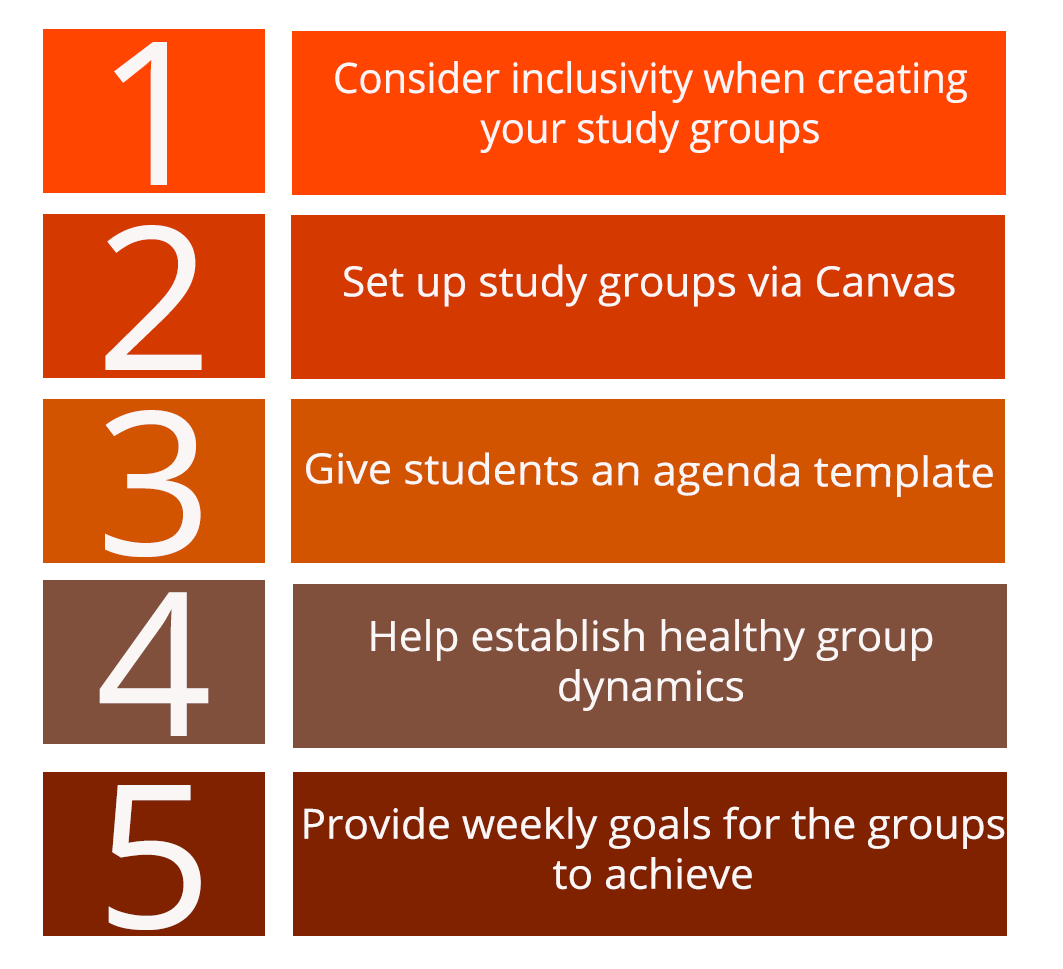
5 easy steps to set up inclusive, self-running study groups within your module
By Paolo Oprandi and Sarah Watson. What are study groups? A study group gives students the opportunity to meet on a regular basis and work together towards a common goal, such as unpacking concepts within a module, undertaking weekly module tasks, or preparing for an assessment. This blog shows you how to set up study…
-

Top tips for large and small group (online) teaching
This post aims to provide some quick tips and tricks to help improve student engagement during online teaching sessions. We understand that group sizes mean different things to different people, a small group in one discipline may be considered a large group in another, but try to take a look through the prompts below and…
-

Specialism Based mostly Studying – Podcast S02 E03
Sussex TEL: Instructing with Tech S02 E03 – Specialism Based mostly Studying with Professor Lynne Murphy On this episode, we deal with easy methods to prepare learners as researchers by making them specialists on a sub-topic inside their self-discipline. This strategy is easy however efficient. Begin by dividing points of the topic you might be…
-

Teaching during a global pandemic: Meeting the Sussex Baseline
The Covid-19 global pandemic has introduced enormous uncertainty across the HE sector while social distancing measures will undoubtedly place restrictions on the ability of institutions to deliver face-to-face teaching or undertake in-person assessment come the autumn term. As a result, at Sussex we’ve been preparing a blended approach – planning to ensure our curriculum can…
-
What’s your downside? Apps that may assist problem-based studying workout routines
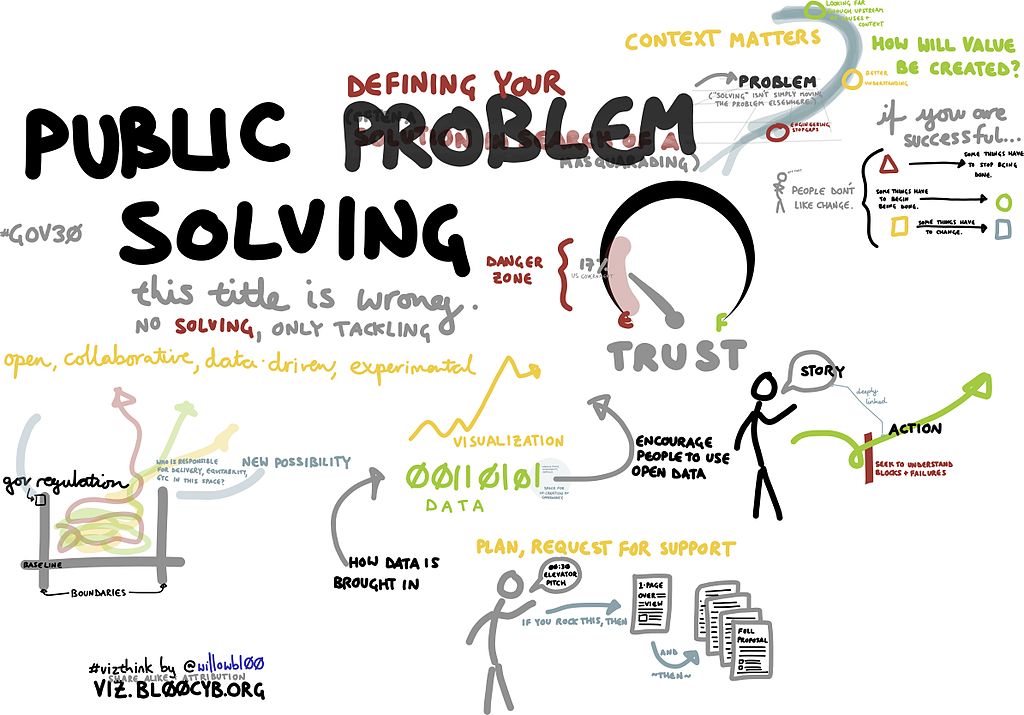
Willowbl00, CC BY-SA 4.0, through Wikimedia Commons to know extra in regards to the practices and theories behind problem-based studying (usually shortened to its acronym PBL), the Lively Studying Community arrange a problem-based studying exploration hour final month which was attended by quite a lot of educationalists throughout the UK. The thought was merely to…
-

The Nice Firewall of China: restricted entry to generally used web sites and assets
Within the present local weather of journey restrictions, shielding and limits to pupil numbers on campus, the coed physique is way more dispersed than in earlier years. This has introduced with it new challenges in offering for the numerous variety of our college students resident in China. On account of native rules, many generally used…